
Optimal Reach Zone
Understanding how body mechanics interact with workspace design. Proper positioning prevents fatigue and supports extended creative sessions.
Body Mechanics in Workspace Design
Ergonomic principles guide our recommendations for furniture height, equipment placement, and seating arrangements. These factors directly impact comfort during long work sessions.
Seated Work Height
Work surfaces should align with elbow height when seated. This prevents shoulder elevation and reduces strain on the upper back and neck muscles.
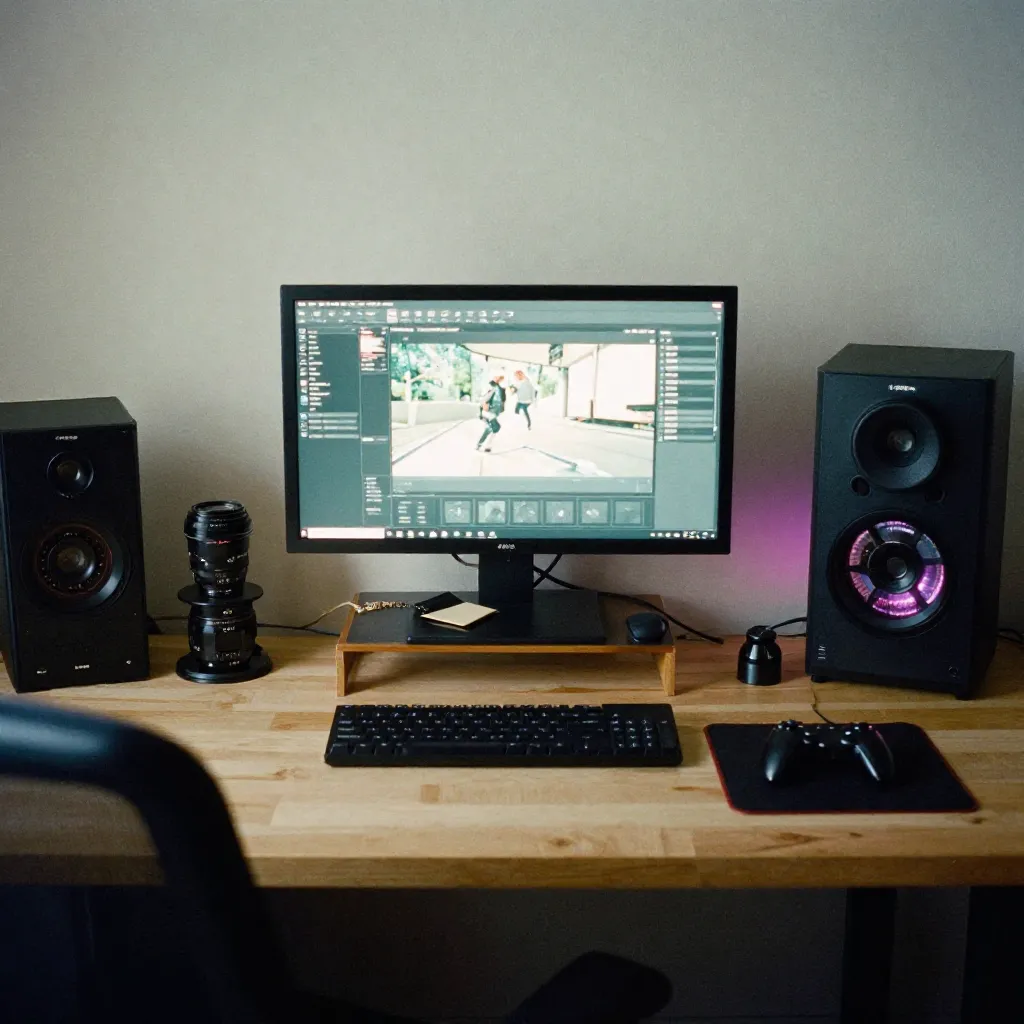
Standing Work Surfaces
For standing activities, surfaces should be approximately 10 centimeters below elbow height. This allows natural arm positioning without excessive reaching.

Reach Distance Zones
Primary tools belong within 40 centimeters. Secondary items can extend to 60 centimeters. Anything beyond requires repositioning or creates strain.
Activity-Specific Considerations

Sewing Machine Setup
Machine height should allow forearms to rest parallel to the floor. Foot pedal placement should maintain natural leg position without knee flexion beyond 90 degrees.
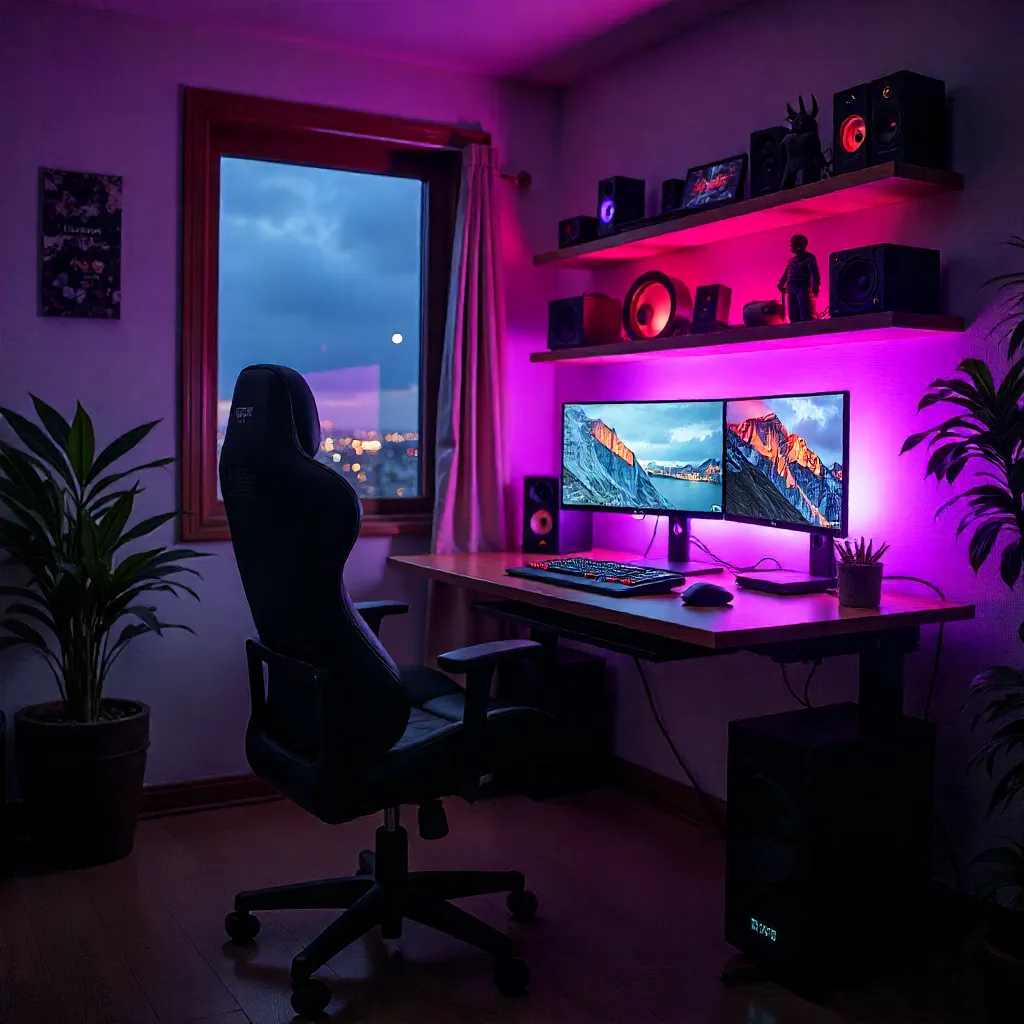
Dual Monitor Configuration
Primary monitor centered at eye level, secondary monitor angled for comfortable viewing. This prevents neck rotation and maintains neutral spine alignment.

Easel and Canvas Position
Canvas should be positioned so the center sits at eye level. This reduces neck extension and allows natural arm movement across the entire work surface.
Preventing Fatigue
Long creative sessions require attention to posture and movement patterns. These design elements help maintain comfort throughout extended work periods.
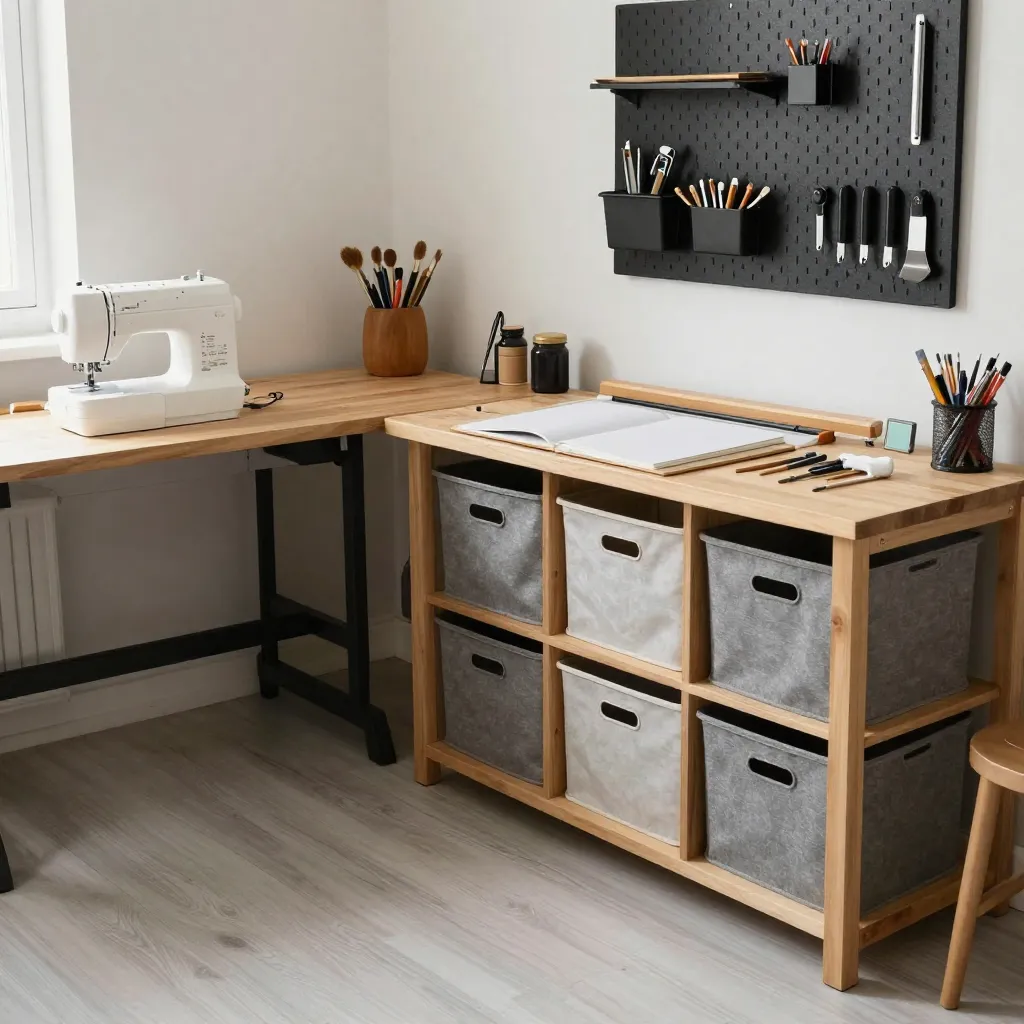
Seating Support
Chairs should provide lumbar support and allow feet to rest flat on the floor. Adjustable height and backrest angle accommodate different body dimensions.
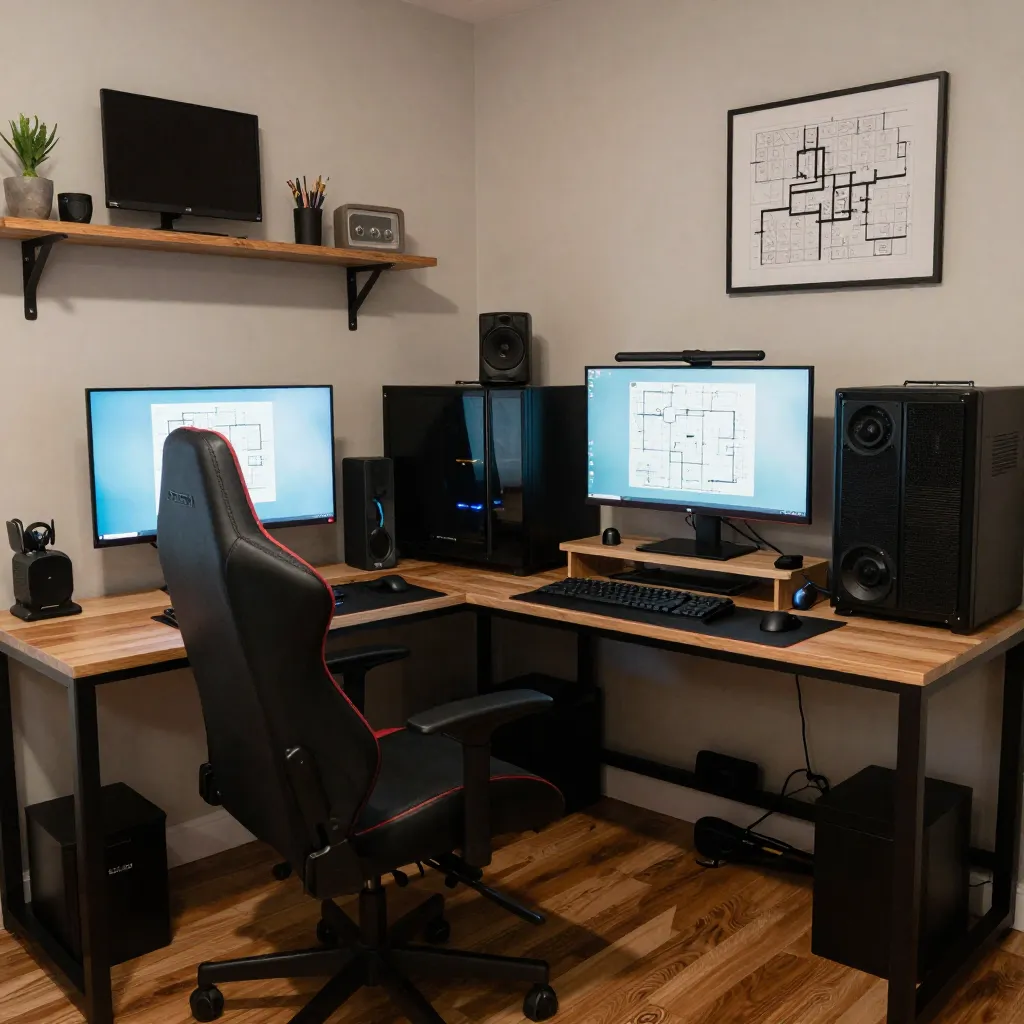
Lighting Placement
Task lighting positioned to minimize shadows and glare. Overhead and directional lights work together to provide even illumination without eye strain.

Movement Encouragement
Layouts that require occasional standing or repositioning prevent static postures. Small movements throughout sessions reduce muscle fatigue.
Tool Organization
Frequently used items positioned within primary reach zone. Less common tools stored in secondary zones to minimize unnecessary stretching or bending.

Get Your Ergonomic Analysis
Contact us for personalized recommendations based on your specific activities, body dimensions, and workspace constraints.